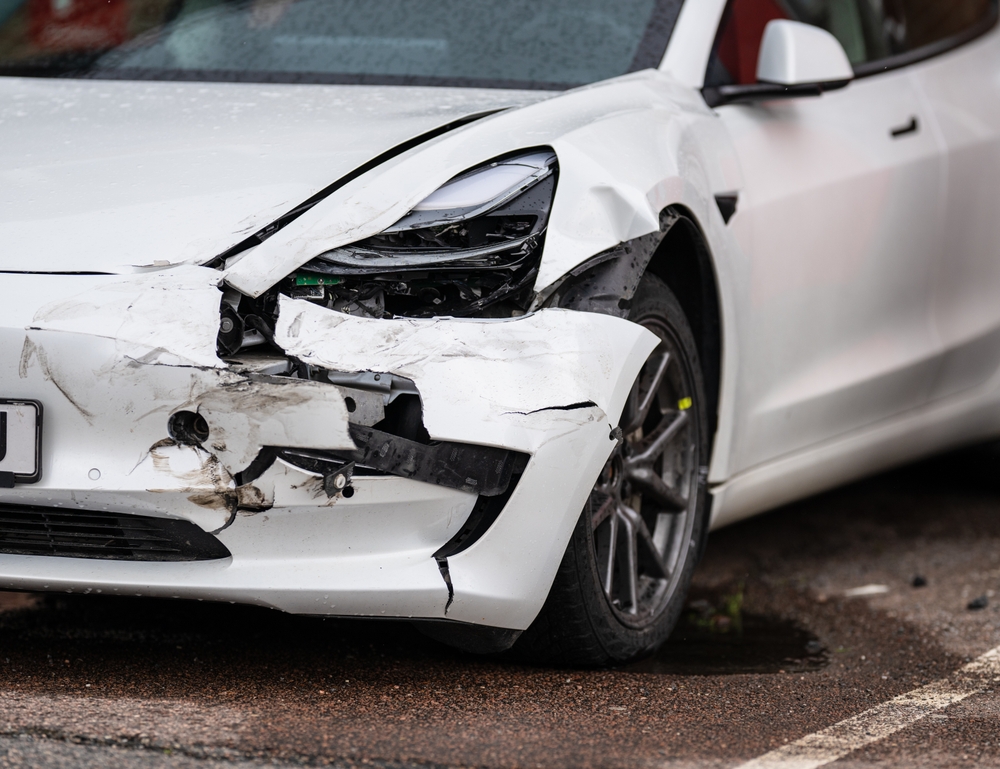
While electric vehicles (EVs) are hailed for being more environmentally friendly, they also come with a unique set of risks and challenges, especially in the event of a crash. Electric vehicle accidents are often more complex than traditional car accidents due to the differences in their design, technology, and interaction with the environment.
At Shapiro Law Team, we want to make sure drivers stay informed while behind the wheel. We’ll break down the key differences between electric car accidents and traditional gas-powered car accidents, explaining what makes these accidents potentially more dangerous and complex.
Call Now Request a Free Consultation
Accident Rates by Vehicle Type
According to recent data, while both electric and gas-powered cars have seen improvements in safety features, their rates of accidents and the severity of those accidents still vary.
Electric Car Accidents
Electric vehicles, although newer on the market, are generally involved in fewer accidents than traditional cars, due to their advanced safety features and the rise in autonomous vehicle technology. While the lithium-ion batteries do pose a fire risk in an accident, the odds of a fire are actually less than with a gas car.
Gas Car Accidents
On the other hand, gas-powered cars have been on the road for decades, and their accident rates are relatively well-documented. Despite improvements in safety technology, such as airbags and anti-lock braking systems (ABS), traditional internal combustion engine vehicles also pose greater fire risks.
How Do Electric Car Accidents Differ From Gas Car Accidents?
As EVs become a more prominent fixture on our roads, it’s essential to understand the key ways that accidents involving electric vehicles differ from traditional gas-powered car accidents. Let’s explore some of the major factors that set these two types of accidents apart:
1. Vehicle Design & Weight
One of the most noticeable differences between electric and gas-powered vehicles is their design, particularly in terms of weight and structure. Electric cars are generally heavier than their gas-powered counterparts due to the large batteries that power them.
While this added weight can make EVs more stable and safe for passengers in many instances, it can also make them more difficult to handle during high-speed impacts. However, this can also cause more damage to other vehicles and pedestrians due to the added force generated in an accident.
2. Fire Hazards
One of the most concerning differences between gas and electric car accidents is the risk of fire. While all vehicles pose a fire risk, the danger is more prominent in electric vehicles due to the nature of their power source.
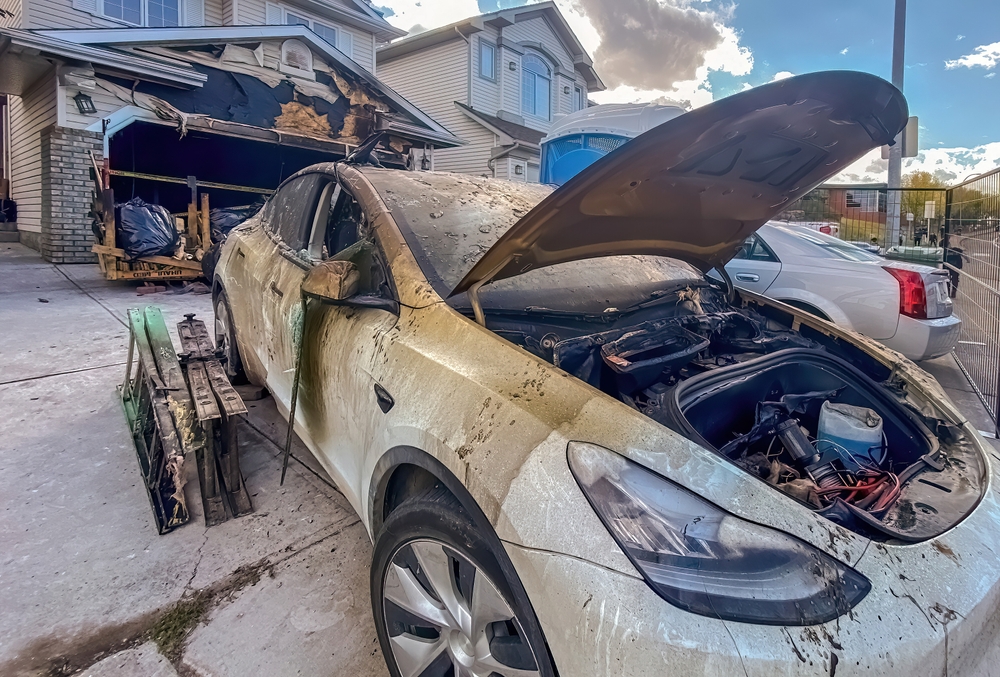
Electric vehicles use lithium-ion batteries to store and provide energy. While these batteries are efficient, they are also highly flammable, and if damaged during an accident, they can catch fire. These fires are difficult to extinguish, as lithium-ion batteries often burn hotter and longer than traditional gas fires. It can take hours and gallons of water to fully put out these types of fires.
Gasoline-powered vehicles are also prone to fires, especially in rear-end collisions that can rupture the fuel tank. However, gas-powered car fires tend to be more localized, whereas EV battery fires can cause more widespread damage and require special containment.
3. Autonomous Features and Driver Responsibility
Electric vehicles are often equipped with advanced autonomous driving features such as lane-keeping assist, adaptive cruise control, and even full self-driving capabilities in some models. These technologies are designed to improve safety but also bring new challenges if an electric car accident occurs.
While autonomous driving technology aims to reduce human error, EV drivers may feel overconfident in these systems, which can lead to a higher likelihood of driver error. This can make determining fault for the accident more complicated, as insurance companies must determine whether the accident was the driver’s fault or the car manufacturer’s fault.
4. The Silent Risk on Roads
Unlike traditional gas-powered cars, which produce engine noise, electric vehicles are much quieter. While this contributes to energy efficiency and environmental benefits, it also poses a hidden danger to pedestrians, cyclists, and other road users.
The quiet nature of electric cars means that pedestrians and cyclists may not hear them approaching, increasing the likelihood of accidents, especially in urban areas. This is particularly dangerous for individuals who are hearing-impaired or distracted by their surroundings. The risk is heightened in areas with heavy foot traffic, such as crosswalks and busy intersections.
5. Limited Emergency Response Knowledge for EV Accidents
Given the advanced technology and unique components of electric vehicles, such as high-voltage batteries, first responders need specific training to handle these accidents effectively.
Firefighters and paramedics must be familiar with the potential dangers of EV batteries, including fire risks and electrical hazards. In some cases, traditional methods of handling fires or extricating passengers may not be applicable. The need for specialized training is critical to ensuring a swift and safe response during electric car accidents.
Different electric vehicle manufacturers may have different safety procedures for dealing with accidents, making it necessary for first responders to have access to up-to-date information about the specific EV model involved. This lack of uniformity in emergency protocols can lead to delays and complications in the rescue efforts, increasing the risks to both victims and emergency personnel.
6. Insurance Challenges in Electric Vehicle Accidents
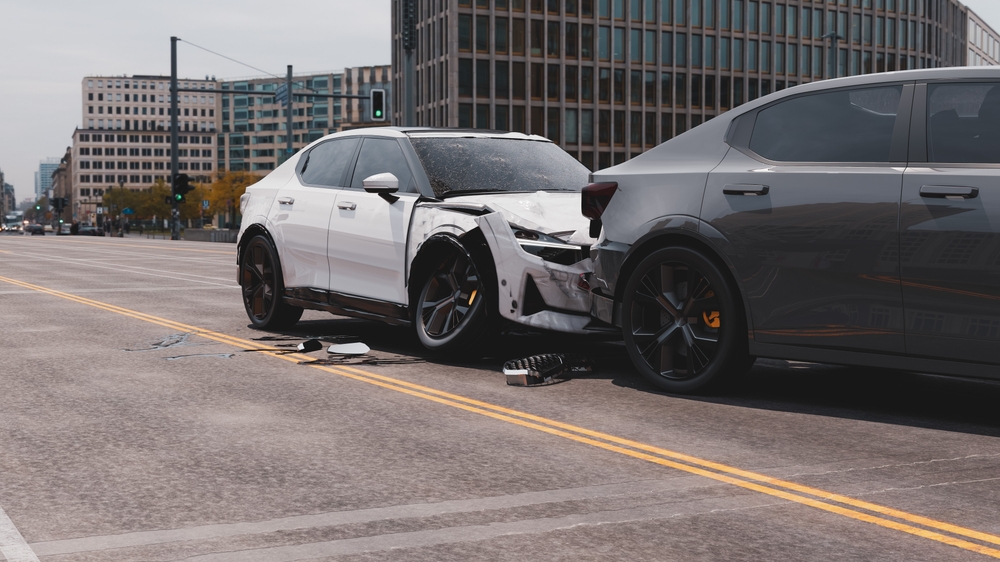
Insuring EVs often involves higher premiums, and the insurance process can be more complicated due to the unique risks associated with these vehicles.
Due to their advanced technology and higher repair costs, electric vehicles are often more expensive to insure than traditional cars. The batteries alone can be costly to replace or repair, and accidents involving fires or extensive damage can lead to significant financial implications for insurers.
In addition to higher premiums, some insurers may not offer comprehensive coverage for certain types of EV accidents, particularly those involving fire hazards or autonomous driving systems. This can create a gap in coverage for EV owners, leaving them vulnerable in the event of an accident.
7. Legal Recourse and Liability in EV Accidents
In accidents involving autonomous driving features, liability can be difficult to determine. If an electric vehicle’s autonomous system malfunctions or fails to respond appropriately during a crash, the manufacturer may be held responsible. However, if the driver was not using the system correctly or failed to take control when required, the responsibility may lie with the driver.
Legal cases involving these types of accidents are still evolving, and courts have yet to establish clear precedents regarding who is at fault.
Another potential area of legal concern is product liability. If an electric vehicle’s battery malfunctions and causes an accident, the manufacturer may be held accountable. This includes situations where the battery catches fire or fails during operation.
Given the complex nature of EV technology, legal cases may require in-depth technical analysis to determine whether the vehicle was defectively designed or if the malfunction was due to user error.
Call Now Request a Free Consultation
FAQ’s
1. What makes electric vehicles heavier than gas-powered cars?
Electric vehicles are heavier than their gas-powered counterparts due to the large lithium-ion batteries that power them. These batteries, which are often placed at the bottom of the vehicle, add significant weight.
This added weight can affect the vehicle’s handling and crash dynamics, making it more prone to damage in certain types of accidents.
2. Why are electric vehicle fires harder to extinguish?
Electric vehicle fires are harder to extinguish because of the nature of the lithium-ion batteries used in EVs. These batteries can overheat and catch fire when damaged, and unlike gasoline fires, they can burn at higher temperatures and for longer periods.
Additionally, water can often worsen the fire, and specialized firefighting techniques, such as using foam or dry-powder extinguishers, are required. This makes EV fires more dangerous and more challenging for first responders to handle compared to traditional car fires.
3. How do silent electric vehicles increase accident risks?
Electric vehicles operate much more quietly than traditional gas-powered vehicles. This creates a “silent risk” on the road, especially for pedestrians and cyclists who may not hear the car approaching. Pedestrians may not be aware of an approaching EV, especially when relying on sound to gauge a vehicle’s distance.
Speak with Our Car Accident Lawyers in New Mexico

If you’ve been involved in an electric car accident, navigating legal recourse and insurance claims can be complicated. Having an experienced lawyer by your side can make a significant difference, and our attorneys at Shapiro Law Team are here to help you through this process.
With years of experience and a dedication to superior representation, our team is ready to step in and fight for the compensation you deserve. Contact us today to discuss your case and explore your legal options.