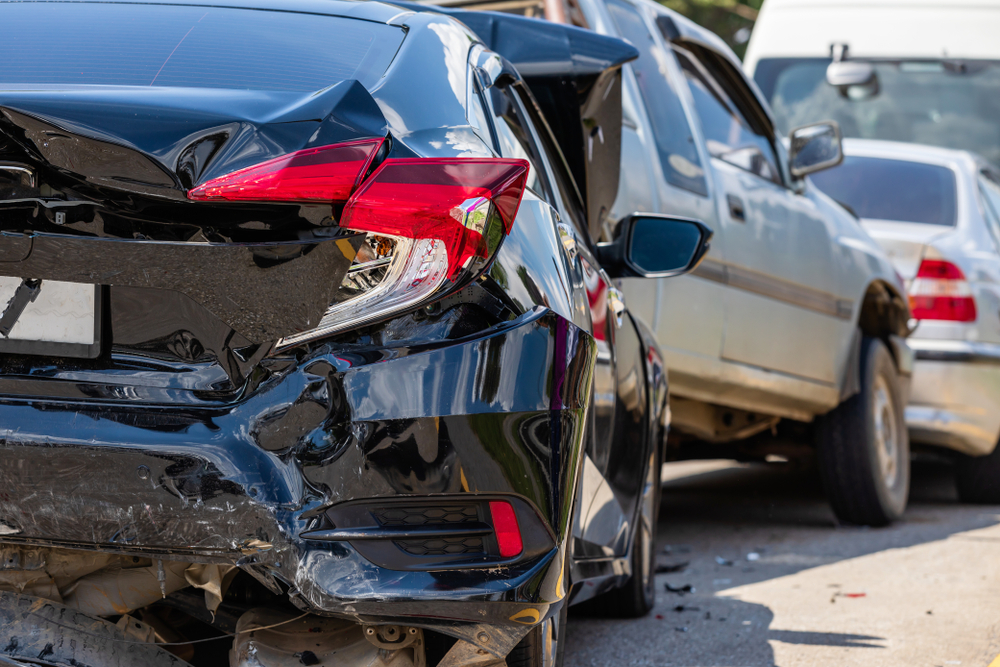
Multi-vehicle crashes are some of the most confusing and overwhelming accidents a person can experience. With three or more vehicles involved, different drivers may share varying levels of fault, and insurance companies will often argue back and forth to protect their own bottom line.
Who is liable in a multiple vehicle collision? The short answer is that it depends on how the crash started, how each driver responded, and what the evidence shows. This is why multi-car accidents in New Mexico require careful investigation, clear documentation, and often the support of an experienced legal team that knows how to sort through the noise.
At Shapiro Law Team, we’re here to help clients navigate the challenges of multi-vehicle collisions. Below, we break down common types of multi-vehicle crashes, the laws that apply in New Mexico, and how liability is determined when several drivers may be responsible.
Call Now Request a Free Consultation
Common Types of 3-Car Accidents
Three-car and multi-vehicle accidents happen for all kinds of reasons, but certain patterns appear again and again. Understanding these can help explain how fault is usually assessed.
Rear-End Chain Reactions
One of the most common examples is a chain-reaction crash where a car hits the one in front, which in turn causes the car in front to hit the car in front of them.
Intersection Collisions
A driver running a red light or stop sign can collide with a vehicle in the intersection, pushing that car into others.
Lane-Change Accidents
A driver who merges too quickly, fails to check blind spots, or drifts between lanes can set off a multi-car crash across several lanes.
Highway Multi-Car Accidents
A driver who brakes unexpectedly or swerves may cause the cars behind them to collide as they try to react. At such high speeds, these accidents can quickly become catastrophic.
Typical Fault Scenarios in Three-Car Accidents
Determining fault in a multi-vehicle collision involves reviewing how each driver behaved in the moments leading up to impact. In many cases, more than one person contributes to the crash.
In certain scenarios, fault can fall onto:
The Rear Driver
In a chain-reaction rear-end crash, the driver at the very back is often considered the primary cause if they failed to maintain a safe following distance or were not paying attention.
The Middle Driver
If the middle vehicle was already tailgating or stopped too closely to the lead car, they may share a portion of fault even if they were pushed forward.
The Lead Driver
If the first vehicle in the line braked aggressively, failed to use signals, or was driving erratically, they may be partially responsible.
Under New Mexico law, several drivers may be held financially responsible for the accident depending on their percentage of fault.
Call Now Request a Free Consultation

What Laws Apply to Multiple Car Accidents in New Mexico?
New Mexico has specific laws that directly affect how fault is assigned in multi-vehicle collisions. These laws help determine who pays for damages and how compensation is calculated:
Pure Comparative Negligence
New Mexico follows a pure comparative negligence system. This means that every driver involved in a crash can be assigned a percentage of fault, and compensation is reduced accordingly.
Duty of Care for All Drivers
Every driver must operate their vehicle safely, maintain control, follow traffic laws, and pay attention to road conditions. If someone breaches this duty by speeding, being distracted, or following too closely, they may be considered negligent.
New Mexico Accident Reporting Requirements
Drivers must report accidents involving injuries, death, or significant property damage. Police reports are key evidence in determining liability, especially when several drivers disagree about what happened.
Who Is Liable in a Multiple Vehicle Collision?
Liability depends on how the chain of events unfolded and on the evidence. Because these crashes happen quickly and involve several moving vehicles, no two cases look exactly alike.
Here’s a quick look at who could potentially be held liable for the accident:
- The Driver Who Initiated the Chain Reaction: If one driver’s mistake sets off a series of impacts, they often hold the largest share of fault.
- Drivers Who Were Following Too Closely: Even if a driver didn’t start the crash, they may still be partly liable if they failed to leave enough space to stop safely.
- Drivers Making Illegal or Unsafe Moves: This includes actions such as cutting across lanes, improper merging, failing to yield, or running a red light or stop sign.
- Lead Drivers Who Brake Suddenly Without Reason: While the rear driver is often assumed to be at fault in rear-end collisions, a lead driver may share responsibility if they slammed on the brakes unnecessarily or failed to signal.
In many multi-vehicle crashes, everyone involved holds some percentage of fault. Insurance companies may assign different percentages to each driver, but these assessments can be challenged with evidence.
This evidence can include:
- Dash cam footage
- Eyewitness statements
- Photos of skid marks and debris
- Vehicle damage patterns
- Traffic camera footage
- Police reports
How Do New Mexico Highway Pileups Happen?
Highway pileups can happen in a matter of moments. With congested traffic and high speeds, highways are a common location for multi-car collisions.
In many cases, there’s not much you can do once the first domino falls. You may not have enough time to evade a pileup accident once it starts. The best you can do is practice defensive driving and keep an eye out for any potential exits in the event that something happens.
Common Causes of Highway Pileups in New Mexico
New Mexico highways see a significant number of multi-vehicle collisions each year, often caused by a mix of environmental and driver-related factors. Some of the most common include:
Sudden Weather Changes
New Mexico’s weather can shift in seconds. Dust storms, fog banks, and sudden rain can instantly reduce visibility and cause drivers to brake abruptly.
Unexpected Traffic Slowdowns
Heavy traffic on I-40, I-25, and other major highways creates conditions where a single driver’s mistake can trigger a large multi-vehicle collision.
High Speeds and Tailgating
Pileups tend to be most severe when drivers are traveling at high speeds with too little space between vehicles.
Low Visibility Conditions
Wind-blown dust, wildfire smoke, and nighttime glare make it harder to judge distances, dramatically increasing the risk of a chain reaction crash.
Distracted Driving
Looking down for even a moment can make it impossible to avoid hitting vehicles that are already piling up.
Speak with Our Car Accident Lawyers in New Mexico

Who is liable in a multiple vehicle collision? If you were involved in this type of accident, you’re likely facing a lot of unanswered questions about who is truly responsible. These crashes are complicated because several drivers may share different levels of fault, and insurance companies don’t always get it right.
At Shapiro Law Team, we understand how overwhelming these cases can feel. We take a compassionate, client-first approach and provide the superior representation you deserve during one of the most stressful times of your life. Our New Mexico car accident attorneys are here to guide you every step of the way, protect your rights, and help you pursue the compensation you need to move forward.
Contact our team today to see what your legal options are. We’re here to help you in your time of need.
Call Now Request a Free Consultation
FAQs
What should I do after being involved in a multi-vehicle accident?
Your safety comes first. Move to a secure area if you can do so safely and call 911. Once emergency responders arrive, seek medical attention even if you feel okay. Exchange information with other drivers, but avoid discussing fault at the scene. Be sure to speak with an attorney before giving a statement.
What should I do after leaving the crash scene?
Once you’re home or in a safe place, document everything you remember about the crash while it’s fresh in your mind. Keep track of medical records, doctors’ notes, repair estimates, and any communication from insurance companies. If injuries are involved, contacting a lawyer early can help protect your rights and ensure the evidence is preserved correctly.
How much is my settlement after a multi-vehicle collision in New Mexico?
Settlement amounts vary widely because they depend on factors such as the severity of injuries, medical costs, property damage, and more. A lawyer can help evaluate the full extent of your damages and provide a fair estimate of what your case is worth.